The Utah concealed firearm permit, step by step
Utah has had permitless carry since May 2021, so an adult 21 or older who may lawfully possess a firearm can carry one here without paperwork. The Utah concealed firearm permit, the CFP, is still one of the most widely held permits in the country. This guide explains what it is, who issues it, what it costs and why people still bother, as of September 2026. It is general information rather than legal advice.
Who issues it
The Utah Bureau of Criminal Identification, part of the Department of Public Safety, issues every Utah concealed firearm permit. There is no county-by-county process, no sheriff's discretion and no interview. Utah is a shall-issue state: if you meet the statutory requirements and pass the background investigation, BCI issues the permit. That single statewide office is a big part of why the Utah permit is so common with out-of-state applicants.
The training course
You need a course from an instructor certified by BCI. The required curriculum covers the Utah laws on firearms, deadly force and restricted places, safe loading, unloading, storage and handling, and suicide prevention material added in recent years. Utah does not require a live-fire qualification, which surprises people coming from states that do. Do not read that as permission to skip range time; carrying a handgun you have not shot is a bad plan whatever the statute says.
The instructor signs your application, and their certification number goes on it. Courses across the Wasatch Front are common and inexpensive. Choose an instructor who spends real time on Utah's restricted places and on when force is and is not justified, because that is the part you will actually have to think about.
Applying
- Take the certified course and get the signed application.
- Get fingerprinted and supply a passport-style photo.
- Include a copy of your government-issued photo identification.
- Send the packet and the fee to the Bureau of Criminal Identification.
As of October 1, 2026, the fee is 55 dollars for a Utah resident and 90 dollars for a non-resident. It had been 53.25 and 87 dollars before that date, so check the current figure on the BCI site before you write the check, because an application with the wrong fee gets held. Renewal costs less than a first application. A permit cannot be renewed more than 90 days before it expires.
How long it lasts
A Utah concealed firearm permit runs five years. BCI will not accept an early renewal outside that 90-day window, so put the expiry date somewhere you will see it. If you move, change your name or have a change in your legal status, tell BCI rather than waiting for the renewal.
The provisional permit
Permitless carry in Utah starts at 21. Residents aged 18 to 20 can instead apply for a provisional concealed firearm permit, which goes through the same BCI process with the same course. The provisional permit is not treated the same way everywhere: some restricted places and some other states handle it differently from the standard permit. If you are in that age band, ask BCI directly what your provisional permit does and does not cover before you rely on it.
Why people still get a permit
Permitless carry made the permit optional inside Utah, not useless. The common reasons to hold one:
- Other states. The Utah permit is recognised by a long list of states, which is why so many non-residents hold one. Reciprocity changes without much warning, so check the current list for every state you plan to drive through, and never assume a permit covers you nationwide.
- Places a permit opens. Utah law treats permit holders differently in a few settings, including school property. Read the current statute rather than relying on what someone told you at the range.
- Simplicity. A permit gives a short, clear answer if a police officer asks, and it is on file with the state already.
- Practice. The course is a cheap way to have Utah's deadly-force law explained by someone who teaches it for a living.
Where you still cannot carry
A permit does not override federal law or private property rights. Secure areas of airports, courthouses, jails, federal buildings and military installations are closed to you. A business that posts a notice can bar firearms, and so can a house of worship or a private home that has given the notice Utah provides for. National parks follow their own rules for buildings. The full list of restricted places is in our Utah gun laws guide.
Choosing a carry handgun
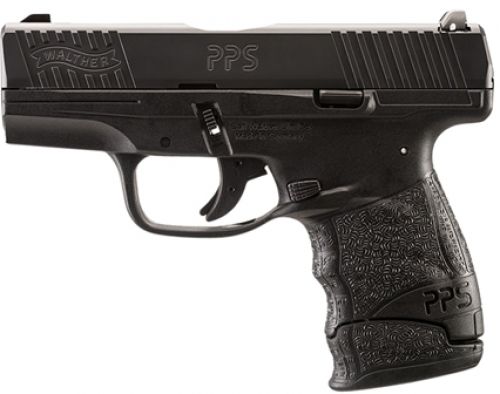
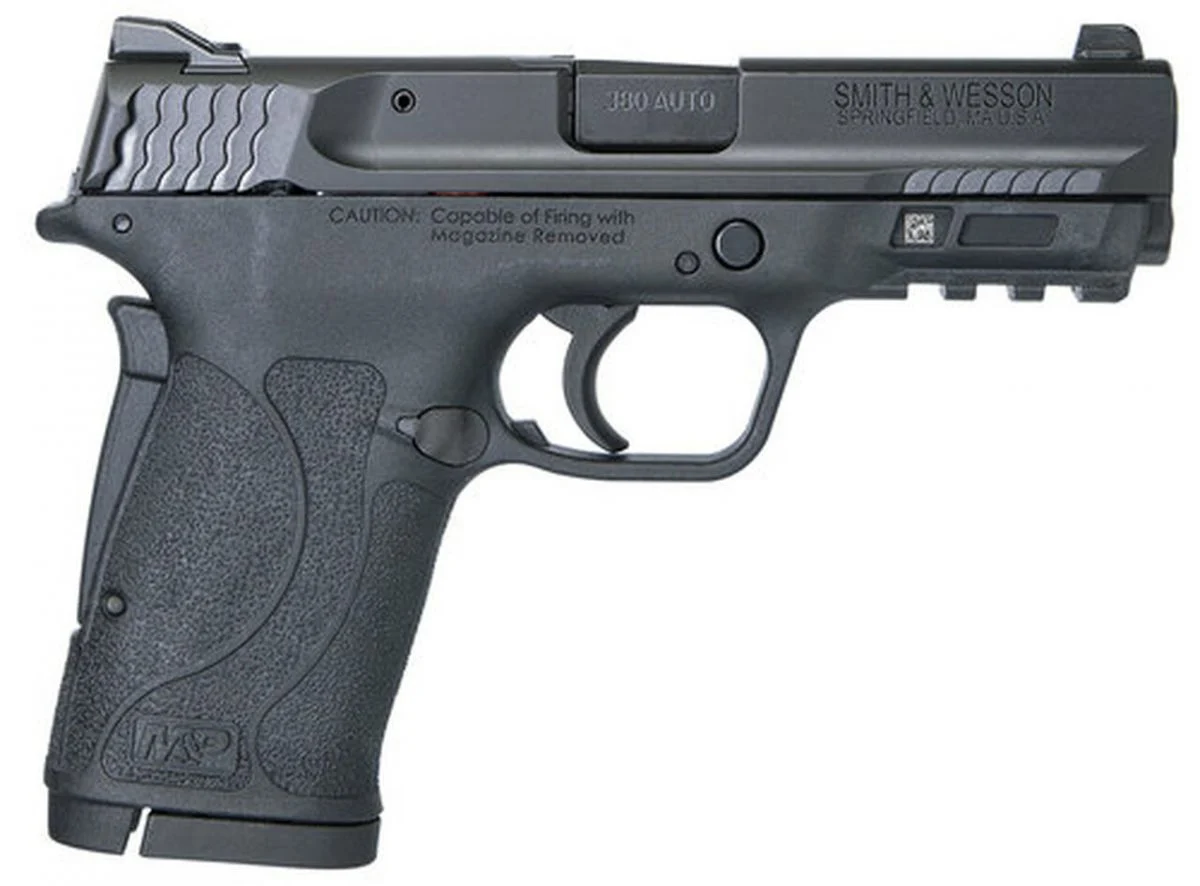
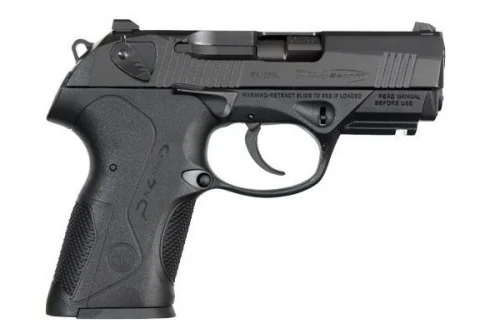
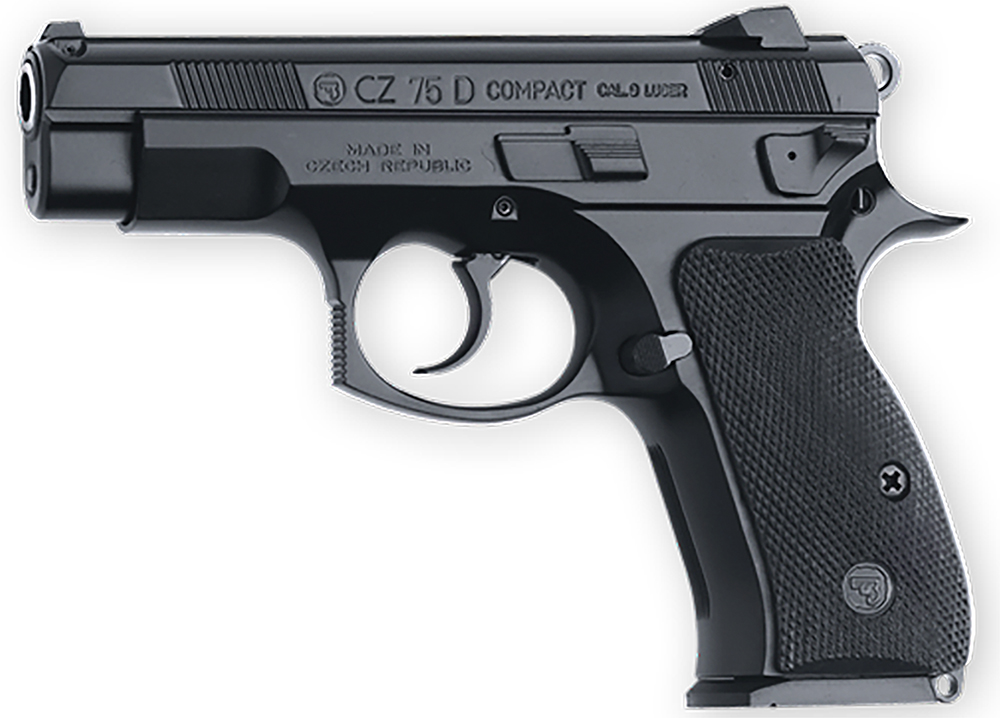
Most people in Utah end up with a compact or micro-compact 9mm: a Glock 43X or 19, a Sig P365 or P320 Compact, a Smith and Wesson Shield Plus or a Springfield Hellcat. The size that works in a Salt Lake City office in July is not always the one you want under a coat in Logan in January, and plenty of permit holders keep two. Whatever you pick, buy a rigid holster that covers the trigger guard and a real belt; a soft holster and a dress belt is how guns end up on the floor.
A red dot is worth considering if your eyes have started arguing with iron sights. Add a light to the home-defense gun rather than the carry gun if you can only afford one. Browse the catalog for current stock, and see the Salt Lake City buying guide for how pickup works at your local dealer.
General information, not legal advice. Current as of September 2026. Laws change; check the official source before you act.