Shotguns for Utah chukar, pheasant and waterfowl
Utah asks two very different things of a shotgun. One is a long, hot climb up a shale face after chukar. The other is standing in freezing water on a Great Salt Lake marsh waiting for pintails. This guide covers the 2026-27 seasons, the shot rules and what to carry for each, using the Division of Wildlife Resources dates published for this year. Confirm boundaries, bag limits and any late changes in the current Utah Waterfowl, Upland Game and Turkey Guidebook.
The 2026-27 upland seasons
Chukar and gray partridge run September 26 to February 15, 2027, with a youth hunt September 19 to 21. Forest grouse, the dusky and ruffed grouse of the high country, run September 1 to December 31. Cottontail rabbits are open September 1 to February 28, 2027. The pheasant youth hunt runs October 31 to November 5, with the general pheasant season following in November; check the guidebook for the exact general-season dates and for the walk-in and release areas near you.
Most upland species need only a Utah hunting license. Doves and band-tailed pigeons need a free Harvest Information Program number, band-tailed pigeons also need a free permit, and sage-grouse, sharp-tailed grouse and ptarmigan need special permits applied for in summer. The Division no longer releases pen-reared chukars on public land, so the birds you find on the Oquirrhs and the Stansburys are wild.
The 2026-27 waterfowl seasons
The northern zone general duck season runs October 3 through January 16, 2027, after a youth hunt on September 19. The southern zone opens October 10 and runs through January 23. Goose seasons split by area: the northern area runs October 3 to 10 and October 26 to January 31, 2027; the Wasatch Front area runs October 3 to 10 and November 10 to February 15, 2027; eastern Box Elder runs October 3 to January 16; and the southern area runs October 10 to January 23.
The Great Salt Lake wetlands are the heart of it. Farmington Bay, Ogden Bay, Howard Slough, Harold Crane, Public Shooting Grounds, Salt Creek and the Bear River Migratory Bird Refuge take most of the pressure, and drought has cut available water in recent seasons, so check conditions before you commit to a long drive.
Shot and shotgun rules
Non-toxic shot is required for waterfowl anywhere in the United States, and Utah requires it on many state waterfowl management areas for every species you hunt there, including upland birds. Steel, bismuth and tungsten alloys qualify; lead does not. Migratory bird hunting also limits a repeating shotgun to three shells total, so a plug goes in the magazine of a pump or semi-automatic. These are federal rules that Utah enforces, and a warden will check both.
A shotgun for the marsh
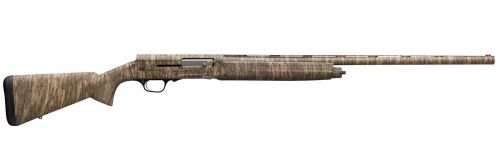
A 12 gauge with a 3-inch chamber does everything Utah waterfowl hunting asks. Buy a gas-operated or inertia semi-automatic if you can: the recoil reduction matters when you are shooting heavy steel loads in a cold blind, and both systems handle mud better than they used to.
- Benelli Super Black Eagle or Montefeltro. Inertia guns that run wet and dirty, and the standard on the Bear River delta.
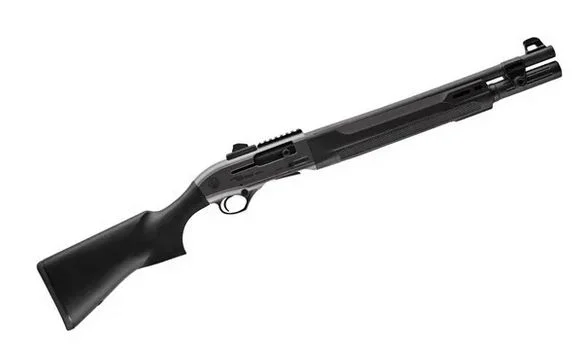
- Beretta A300 or A400. Soft-shooting gas guns, easy to live with over a long season.
- Browning Maxus or A5. Long-standing Utah favourites with good factory chokes.
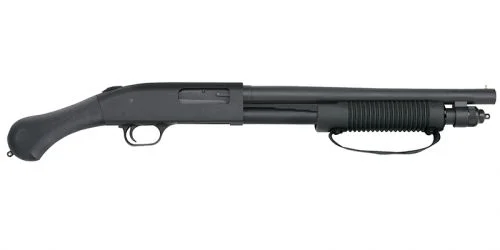
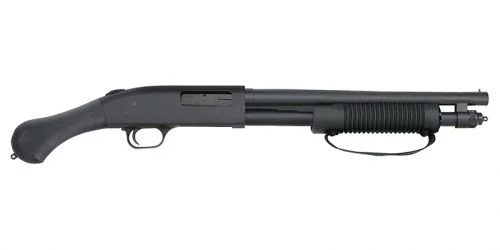
- Mossberg 500 or 835 and Remington 870. Pumps that cost a fraction of the above and kill just as many ducks.
- Franchi and Stoeger. The value end of the Benelli family, worth a look for a first marsh gun.
Steel 2 or 3 in a 3-inch load covers decoying mallards and pintails over the Farmington Bay dikes. Move to steel BB or a bismuth load for geese, and put an improved-cylinder or modified choke in for decoy work rather than reaching for full.
A shotgun for chukar country
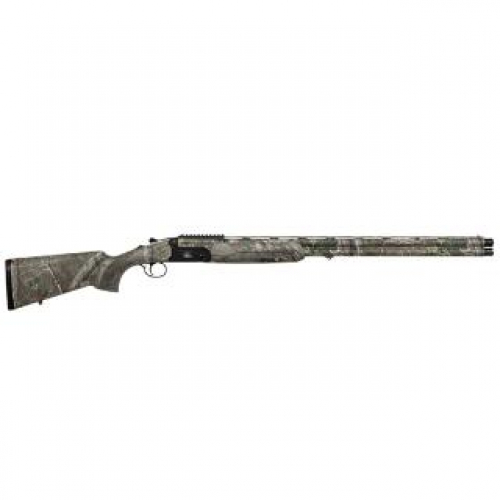
Chukar hunting in the Oquirrhs, the Stansburys and the West Desert punishes weight. Every ounce you carry uphill is an ounce you will resent at 2 p.m. A 20 gauge over-under or a light 12 semi-automatic at six and a half pounds beats a heavy marsh gun by a wide margin.
- 20 gauge over-under. Browning Citori, Beretta Silver Pigeon or a CZ field gun. Two chokes, fast on a covey that flushes downhill.
- Light 12 or 20 semi-automatic. A Beretta A300 in 20 or a Benelli Ultra Light if the budget allows.
- Pheasant work. Utah pheasants around the Delta farm ground and the walk-in areas want a modified choke and a 5 or 6 lead load where lead is legal, non-toxic where it is not.
Carry a sling. Chukar country involves hands and knees, and a slung gun is a safe gun on a scramble. Bring more water than you think for the first weeks of the season, and a dog that is fit rather than a dog that is keen.
Chokes, loads and a little practice
Two chokes cover almost everything Utah asks. Improved cylinder for decoying ducks, flushing chukar and early-season pheasants; modified for pass shooting, geese and late birds that flush wild. Skip full choke with large steel pellets unless your barrel is rated for it, because steel does not compress the way lead does and a tight tube can damage the muzzle.
Pattern the gun before the opener rather than after a bad morning. Thirty yards, a big sheet of paper, the exact load you plan to hunt with, and see where the centre of the pattern actually sits. The Division of Wildlife Resources ranges at Lee Kay and Cache Valley both have shotgun bays, trap and skeet, which makes a patterning session and an hour of clays an easy Saturday.
Buying and pickup
Shotguns ship to the Utah dealer you pick at checkout, where you complete Form 4473 and the state background check; Utah adds no permit and no waiting period, as set out in our Utah gun laws guide. Non-toxic shot, chokes and gear ship to your door. Browse the catalog for current stock, and see our deer and elk rifle guide if the big-game draw went your way as well.
General information, not legal advice. Current as of September 2026. Laws change; check the official source before you act.